


Humanist Society interview series: Leon Langdon of Humanists International on Christian nationalist money in our politics
May 19, 2026
Leon Langdon is Senior Advocacy Officer at Humanists International and co-hosts the Freedom of Thought podcast. Leon tells us about the scale and reach of dark money from conservative groups around the world, and what we can do to fight back.
Hi Leon! Please introduce yourself and tell us about your work
Humanists International is the global umbrella movement for humanist, atheist, and other non-religious organisations around the world. We have over 110 members in 60 countries, including Humanist Society Scotland. I lead on our advocacy work at international bodies, including the United Nations, UNESCO, the EU, the Council of Europe, and the African Commission on Human and Peoples’ Rights.
The core of our work is pushing forward human-rights priorities based on humanist values at the UN, and raising our members’ voices wherever we can. We have a long legacy at these institutions. Our first president was actually the first Director-General at UNESCO!
You’ve been working on the influence of Christian nationalist money on international politics. What have you found out?
At the institutions we work with, we’re seeing a much larger and more coordinated presence from Christian nationalist groups. If you look at data like the European Parliamentary Forum’s (EPF) reports on the funding behind anti-rights movements, the scale of the challenge becomes pretty stark.
We aren’t just dealing with grassroots opposition. We’re seeing hundreds of millions of dollars flowing from US Christian-right organisations, Russian oligarch networks, and ultra-conservative European foundations. Just the amount of funding classed as “anti-gender” funding totals over $1.18 billion USD, including over $100 million USD from the US Christian right.
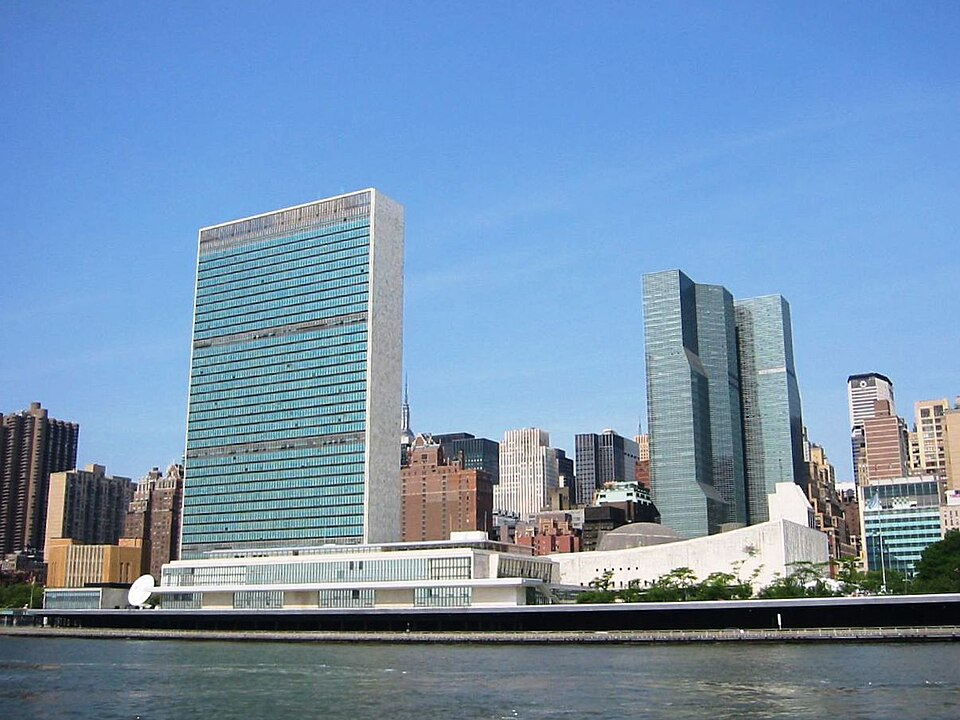
It’s a deliberate, well-resourced strategy to manufacture cultural division and undermine the secular, rights-based consensus we’ve spent decades building.
This money is strategically used to roll back fundamental human rights, particularly sexual and reproductive health rights and LGBTQ+ rights. This often happens under the guise of “religious freedom” or “protecting the family”. At the UN and the EU this funding translates into highly professionalised lobbying, aggressive disinformation, and a real, concerted effort to rewrite international human-rights frameworks from the inside. It’s a deliberate, well-resourced strategy to manufacture cultural division and undermine the secular, rights-based consensus we’ve spent decades building.
Examples of this are too numerous to name. But I’ll highlight the Geneva Consensus Declaration, signed by 42 countries. This incorrectly claims that there is no international right to abortion. This is the tip of the iceberg. But it’s an example of where states and anti-rights actors come together to try and undermine something we had all already agreed on.
What can humanists do to push back against recent rises in religious and ethnic division?
I think it starts with an awareness that much of the rise in division we’re seeing isn’t organic. It’s manufactured by the money I’ve described above. As humanists, it’s important to be rational. If we find ourselves getting drawn into polarised discourse, we need to take a step back and ask what is going on. Social media algorithms, well-funded ad campaigns, fearmongering, disinformation: it can all cloud that space of rational thinking. So, it’s important to do everything you can not to get pulled down the rabbit-hole.
From a clear-eyed place, it’s much easier to lead with humanist values like empathy, solidarity, openness, and hope. Bringing that to the people in your lives, especially the most marginalised, is incredibly important. Bringing it to your engagements with people you disagree with matters too. It might even help them see a different perspective. Humanists across the world are often seen as outsiders (although I noted with excitement that a majority of Holyrood MSPs chose the secular affirmation recently!) So meeting hate with compassion can really help to defuse it and break down that feeling of otherness.
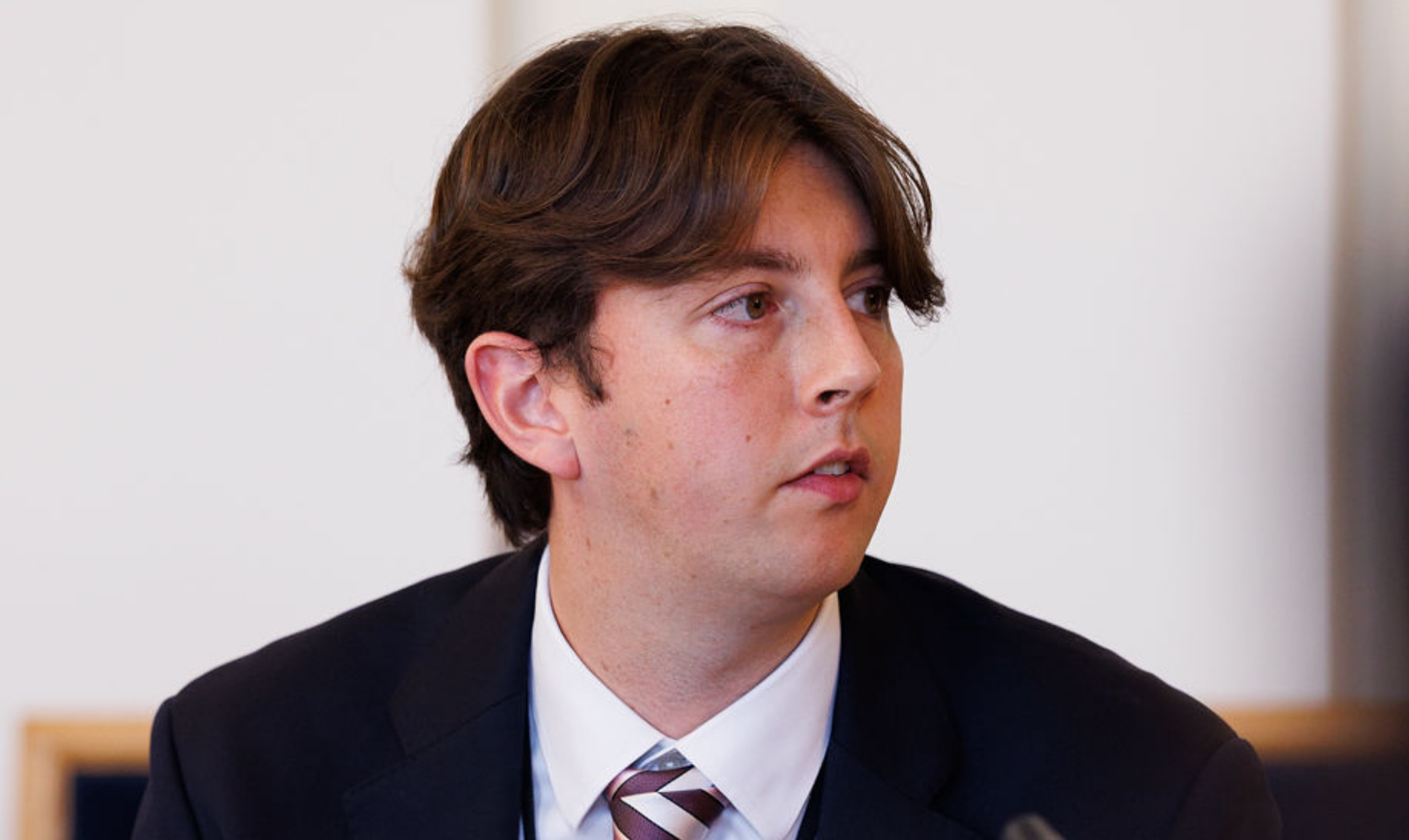
We aren’t just dealing with grassroots opposition. We’re seeing hundreds of millions of dollars flowing from US Christian-right organisations, Russian oligarch networks, and ultra-conservative European foundations.
When it comes to practical steps, you can campaign. Getting involved with a local or national humanist group like Humanist Society Scotland is a great start. More change is possible at the political level than we often realise. And expressing open solidarity with the very people we’re told should be maligned is vital. Ultimately, engaging in community with others is key. Community is exactly what’s needed in times of increasing polarisation.
Finally, engage in communities, not just in Scotland, but globally. The challenges Scotland and the wider UK face are very similar to those elsewhere in the world. Coming together, sharing strategies, and expressing solidarity with one another can be incredibly powerful. The World Humanist Congress is taking place in Ottawa in August this year. I for one am excited to meet the 400+ humanists from around the world who have signed up to attend.
Support our campaign work, make a donation today
Our campaign work is funded by the generous support of our members and supporters. Support our campaign work and help to create a fairer Scotland and world.

Join us!
Your membership will help to fund our campaign work to make Scotland a more secular, rational, and socially just country, and to ensure everyone in Scotland has access to humanist ceremonies to mark important life events.

Latest Related Stories

June 29, 2026
Dear Kate, Scotland doesn’t need to be saved by “Biblical truths”

June 29, 2026
Kate Forbes speaks at “anti-woke Davos”, calls for defence of Judeo-Christian values as basis of democracy
June 1, 2026
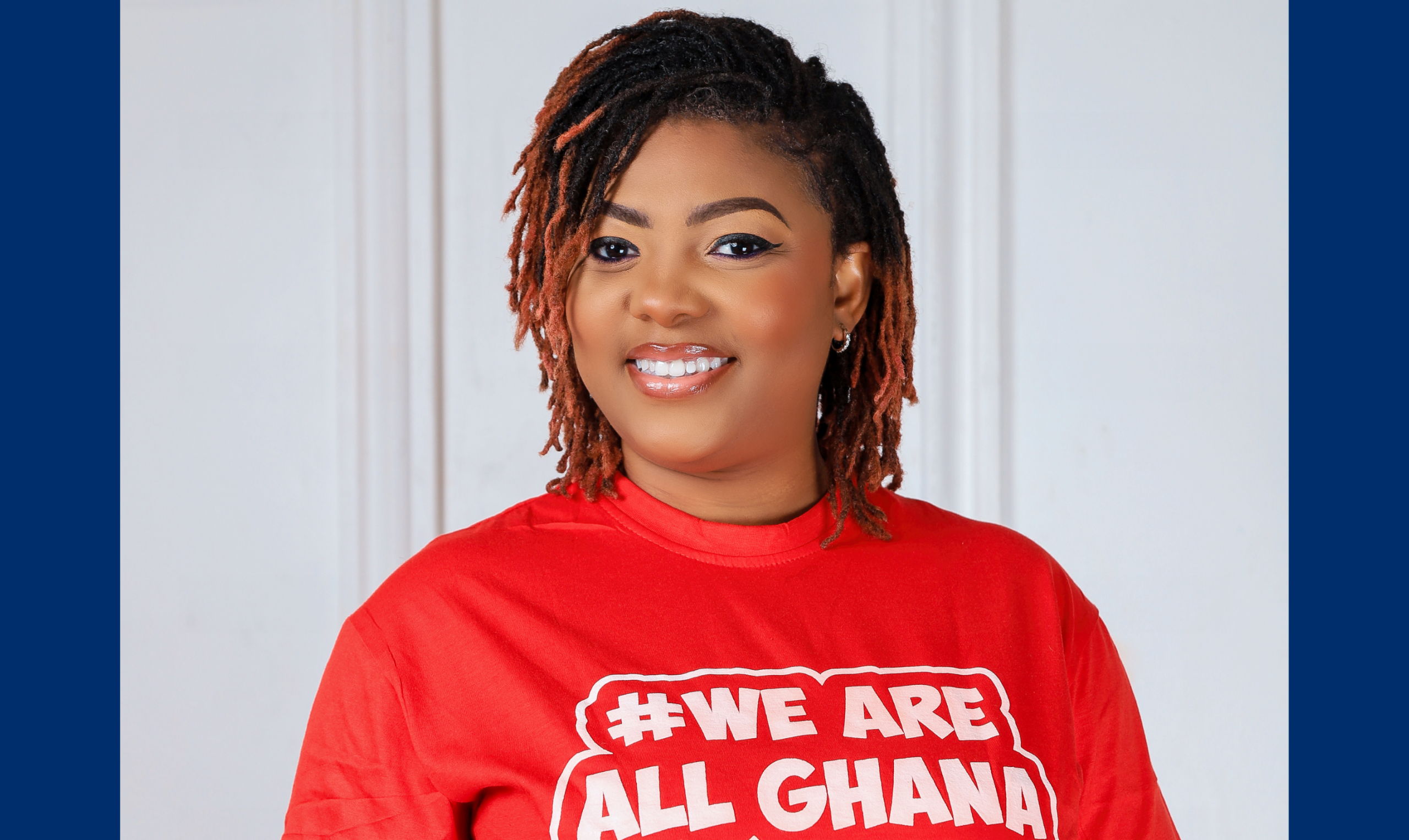
Humanist Society Interview Series: Roslyn Mould on LGBT+ rights in West Africa and more

May 14, 2026