

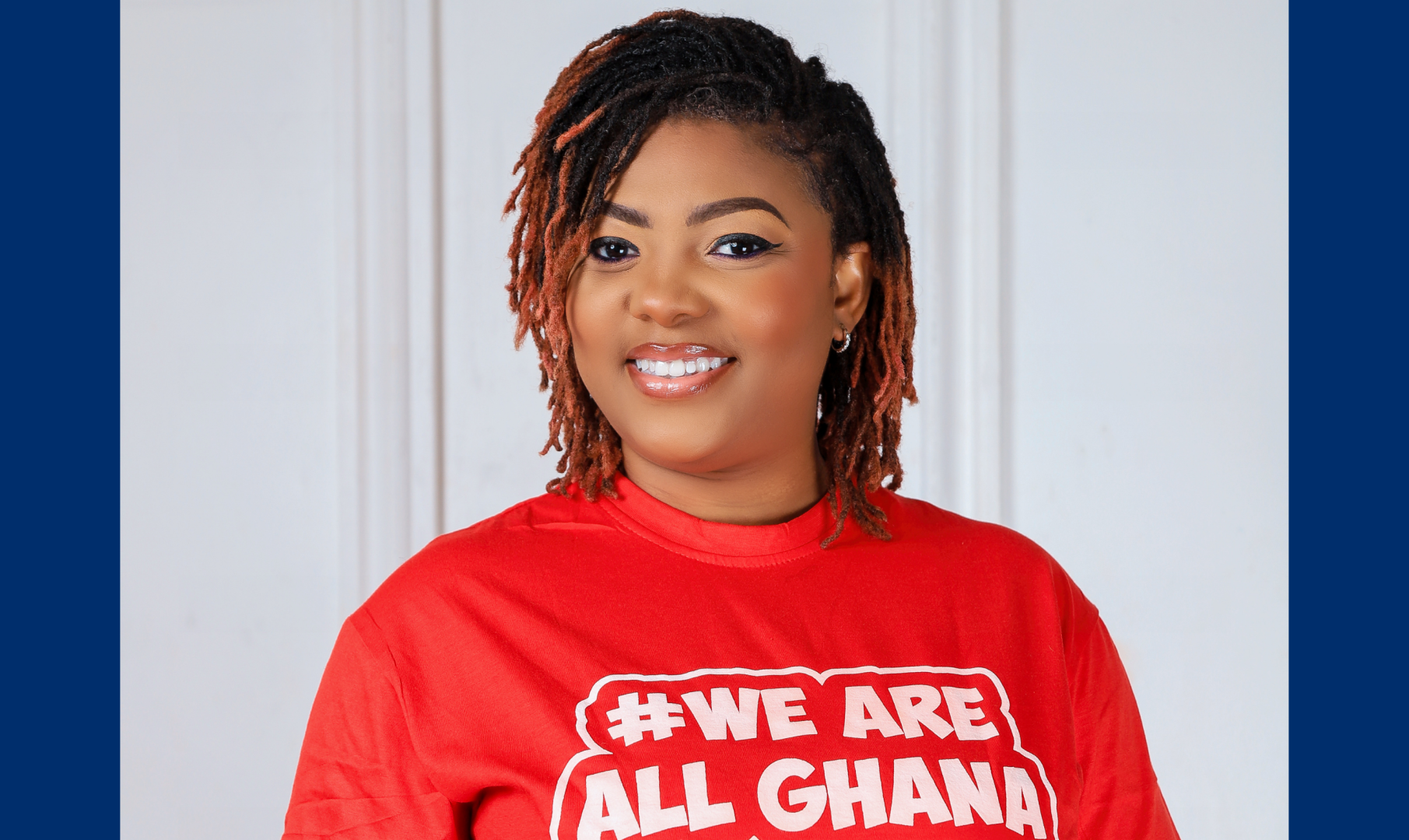
Humanist Society Interview Series: Roslyn Mould on LGBT+ rights in West Africa and more
June 1, 2026
In a special Pride Month instalment of our interview series, we speak to Roslyn Mould, Vice-President of Humanists International and the President of Accra Atheists. She tells us about the huge challenges facing humanists and the LGBT+ community in her native Ghana and beyond, and what we can do to fight back.
NB this article contains explicit descriptions of sexual abuse.
Hi Roslyn! Please introduce yourself
I am Roslyn Mould, the first African Vice President of Humanists International. I am also Coordinator for the West African Humanist Network, an Advisory Board member of the Freedom of Religion or Belief Leadership Network (FoRBLN), and President of Accra Atheists.
I have been a member of the Humanist Association of Ghana since it was founded in 2012, holding several positions including President from 2015 to 2019. I was the only ally board member representing an LGBT+ activist group (LGBT+ Rights Ghana), from 2019 to 2025.
I have been a pioneer in promoting humanism across Africa and have advised on policy and strategy at the intersection of freedom of religion or belief, feminism, anti-witchcraft campaigns, environmental awareness, and LGBT+ rights.
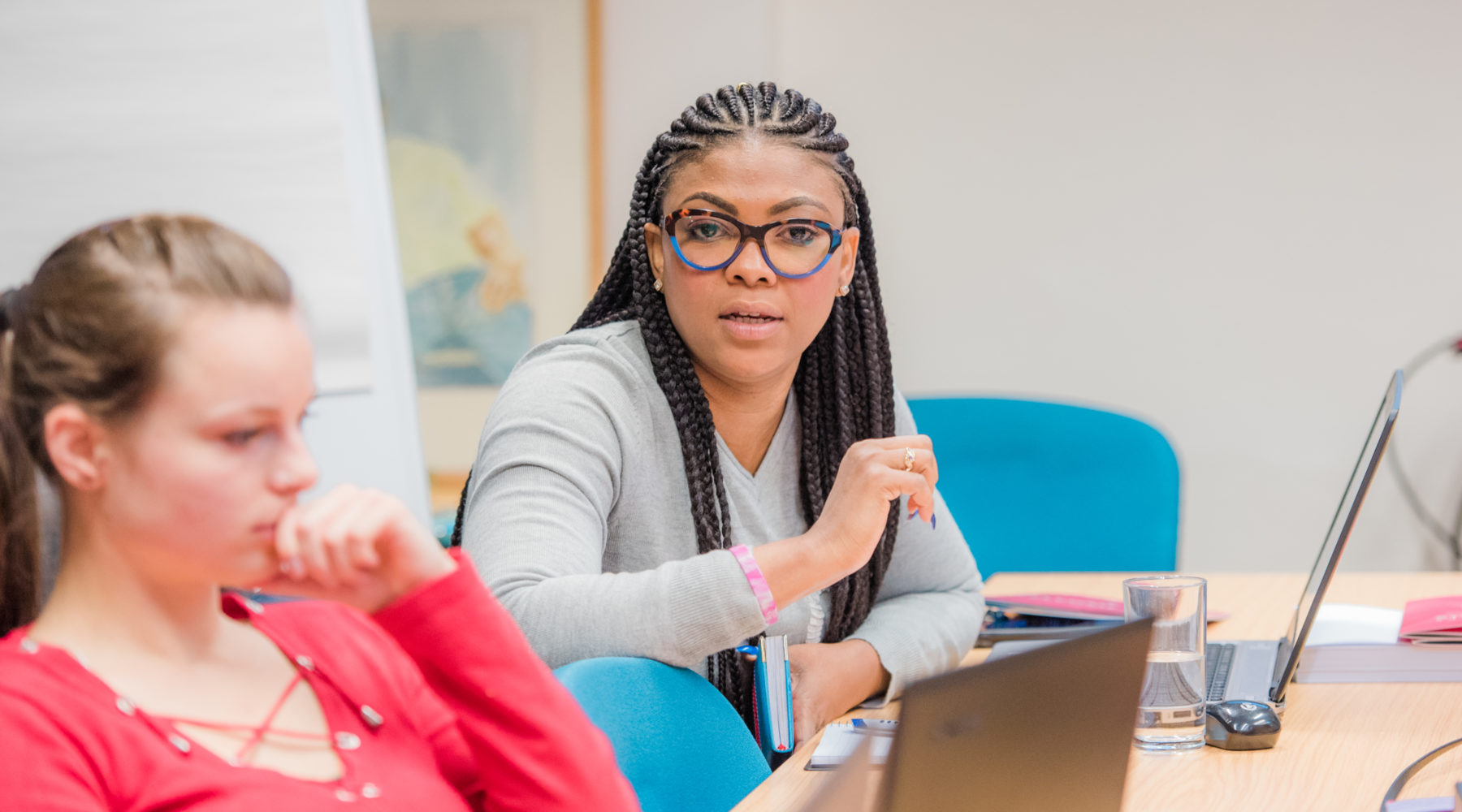
Humanists in Ghana face systemic discrimination, ranging from ostracisation to emotional blackmail. They are often denied access to healthcare, education, housing, and other fundamental human rights, as well as facing unemployment and being subject to witchcraft accusations.
What are the challenges facing humanists in Ghana and West Africa, and how are they related to anti-LGBT+ persecution?
Humanists in Ghana face systemic discrimination, ranging from ostracisation to emotional blackmail. This can lead to lack of access to healthcare, education, housing, and other fundamental human rights, as well as facing unemployment and being subject to witchcraft accusations.
These are similar to the forms of persecution faced by LGBT+ people in Ghana, although this community is majority religious, and can often face worse outcomes. Gay and bi-sexual women in particular can be subjected to rape (including gang-rape) and forced marraiges blackmail, and physical abuse extending to lynching. There is a high instance of suicidal ideation within Ghana’s LGBT+ community.
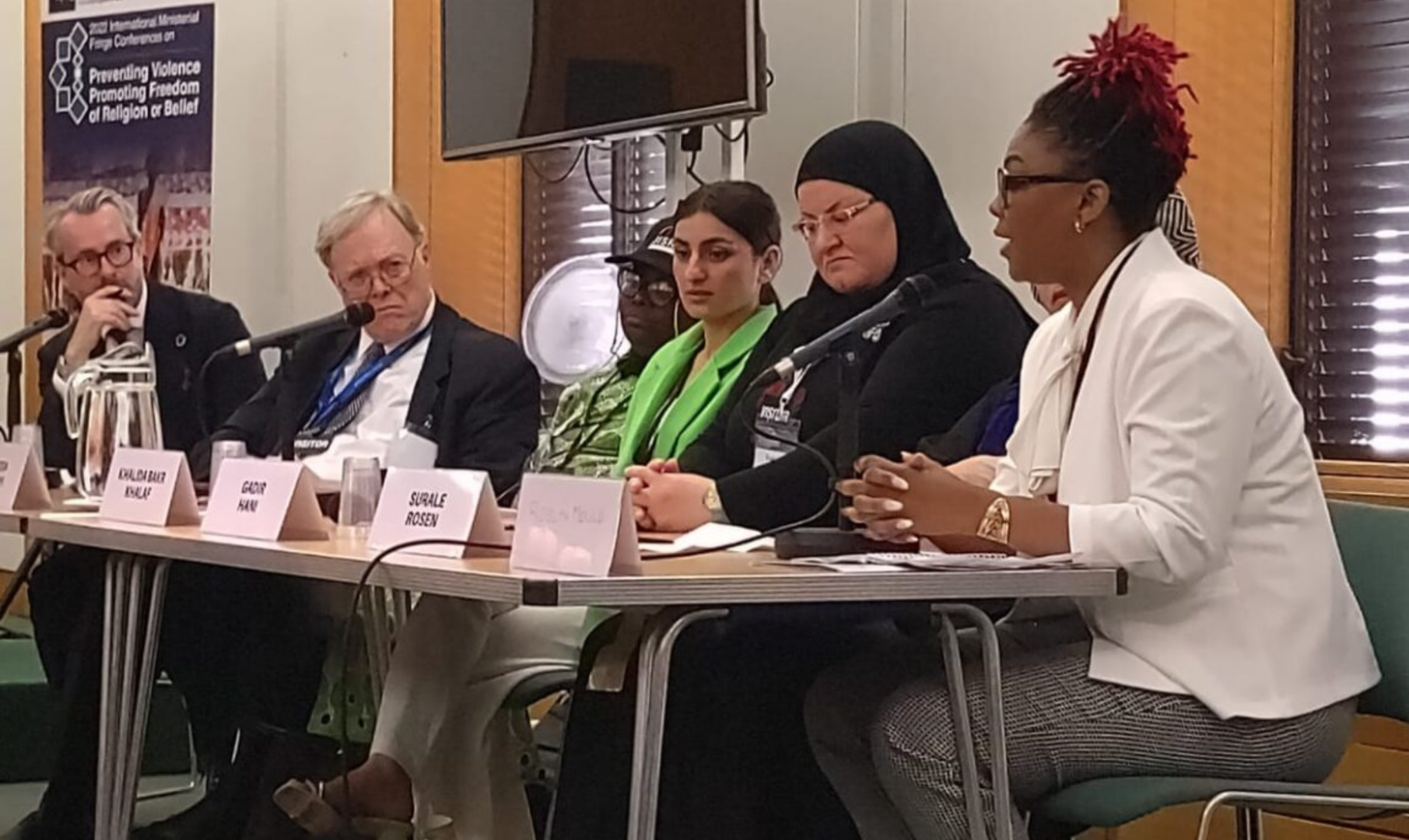
The majority of human rights violations meted out against Ghana’s LGBT+ population are inflicted by the religious right, the same group that persecutes humanists. Hence, there is a natural allyship between our groups.
Humanists in Ghana, some of whom are themselves LGBT+, have done much to highlight the plight of LGBT+ people. Indeed, the majority of human rights violations meted out against the LGBT+ population are inflicted by the religious right, the same group that persecutes humanists. Hence, there is a natural allyship between our groups. I have been honoured to be the only ally to advocate for their rights in an official capacity, in particular since the introduction of anti-LGBT+ bills from 2021 onwards.
In West Africa more generally, the Humanist Association of Nigeria is currently celebrating its thirtieth anniversary. There is also an active group called Advocacy for Alleged Witches, led by Dr. Leo Igwe, which helps to fight witchcraft accusations The biggest challenge for humanists in Nigeria has been funding and leadership training. Over the years, Sierra Leone and Liberia have shown hope for the emergence of humanism, but this has gone dormant. Humanists in the rest of Francophone West Africa are yet to be discovered. Doing so is my primary goal as coordinator for the region.
What can be done to combat the re-emergence of anti-LGBT sentiment in the Western world, particularly the USA?
We need to create awareness of the situation for LGBT+ people, especially in international circles such as the UN and other human rights organisations. On top of this, we need to identify our local activist organisations and support them to continue their work in fighting against anti-LGBT+ laws. Campaign, vote for political allies, promote education to fight misinformation, use mainstream and social media tools. Identify influential allies to combat inequality through fundraising and advocacy.
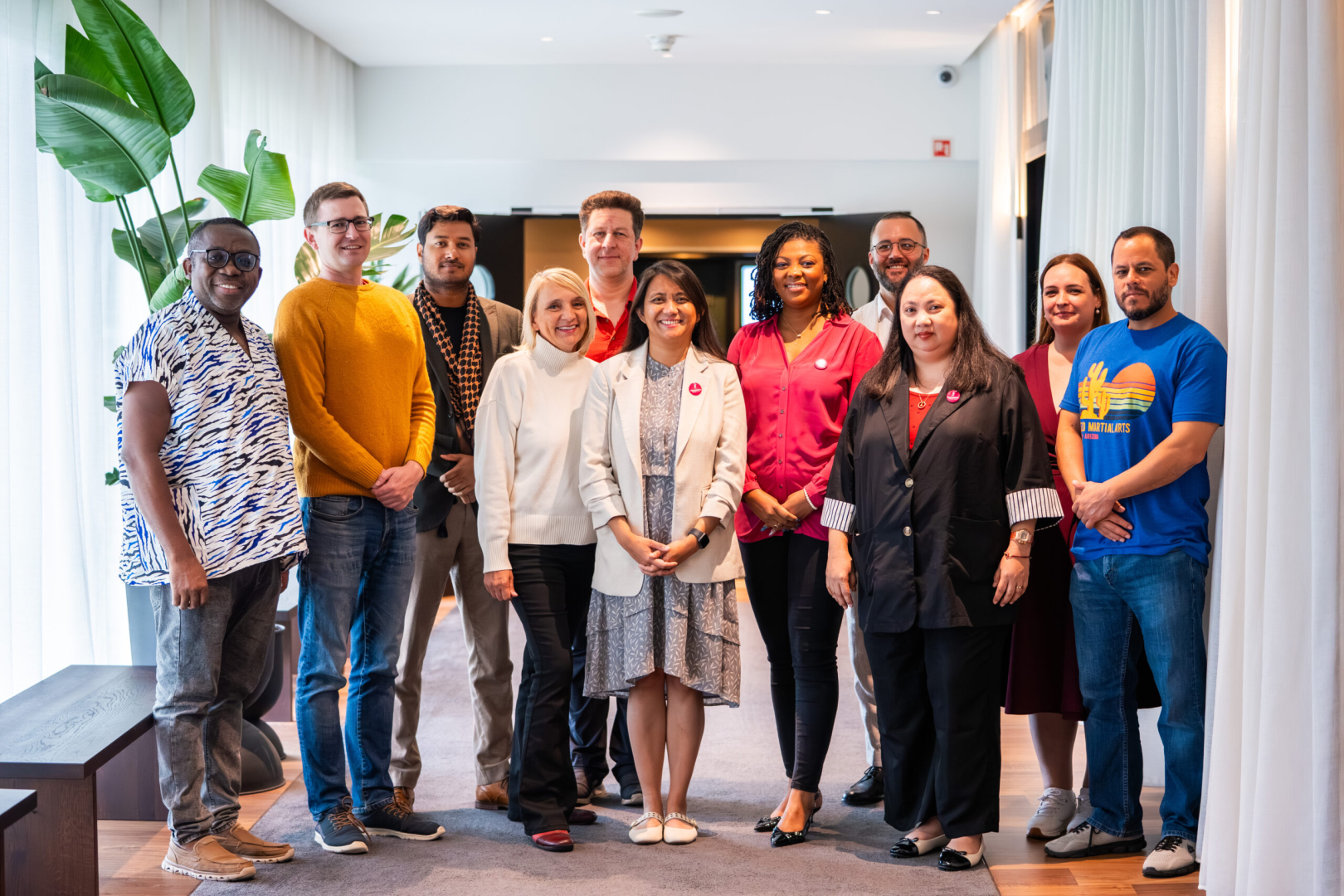
Over the next few years, we hope to create a unified voice for all non-religious people in Ghana, forging a sustainable environment and community, regardless of the persecution faced by our members.
Where do you see humanism in Ghana and West Africa heading? What solidarity can humanists in other parts of the world offer?
Humanism in Ghana has expanded greatly since it became organised in 2012, with groups such as Accra Atheists creating a safe space for humanists and championing critical thinking, human rights, and science. We have launched tools such as the monthly YouTube series Reason Rising and the first ever atheist billboard in Africa.
Over the next few years, we hope to create a unified voice for all non-religious people in Ghana, forging a sustainable environment and community, regardless of the persecution faced by our members. Our objective is to make humanism well understood and seek government support and recognition for our worldview, as well as working towards separation of church and state.
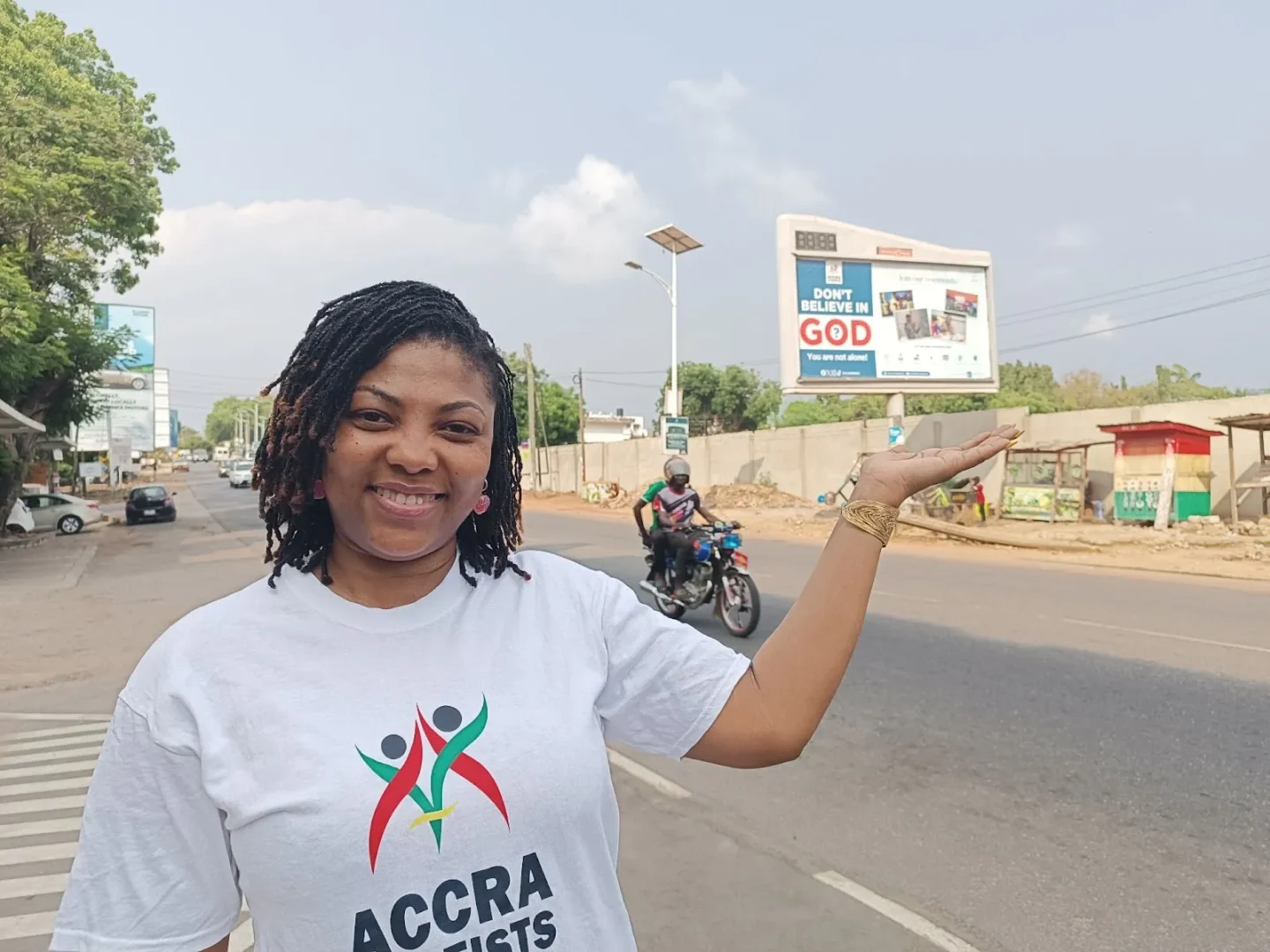
We have launched tools such as the monthly YouTube series Reason Rising and the first ever atheist billboard in Africa.
In West Africa, we are hoping to kickstart the creation of groups in each of the Francophone countries, incorporating these into the international humanist community. We want to offer particular support to countries including Sierra Leone, Liberia, and Gambia to help advance their groups and work.
There are several ways that international humanist groups can show support for humanists in our region. These include information-sharing about regional fundraising efforts, counselling services, and access to support and chat groups. The international community can come to the aid of a humanist in need (as it did for Mubarak Bala), support projects, campaigns and humanist-owned businesses, and establish systems in your own country to support disadvantaged humanist groups around the world.
Support our campaign work, make a donation today
Our campaign work is funded by the generous support of our members and supporters. Support our campaign work and help to create a fairer Scotland and world.

Join us!
Your membership will help to fund our campaign work to make Scotland a more secular, rational, and socially just country, and to ensure everyone in Scotland has access to humanist ceremonies to mark important life events.

Latest Related Stories

June 25, 2026
Draft bill to end conversion practices in England and Wales published at Westminster: what does this mean for Scotland?

May 19, 2026
Humanist Society interview series: Leon Langdon of Humanists International on Christian nationalist money in our politics
March 16, 2026
Humanist Society condemns US and Israeli military strikes in Iran; calls for solidarity with Iranian citizens fighting theocratic rule
January 16, 2026