We’re entering a crucial period in the fight for LGBT+ rights in Scotland, with the government consulting on ending conversion practices, and progress stalled on simplifying gender recognition. There has never been a better time to reach out to allies around the world to learn lessons and see what we could be doing better.
Hi Ugla, please introduce yourself and tell us a bit about what you do
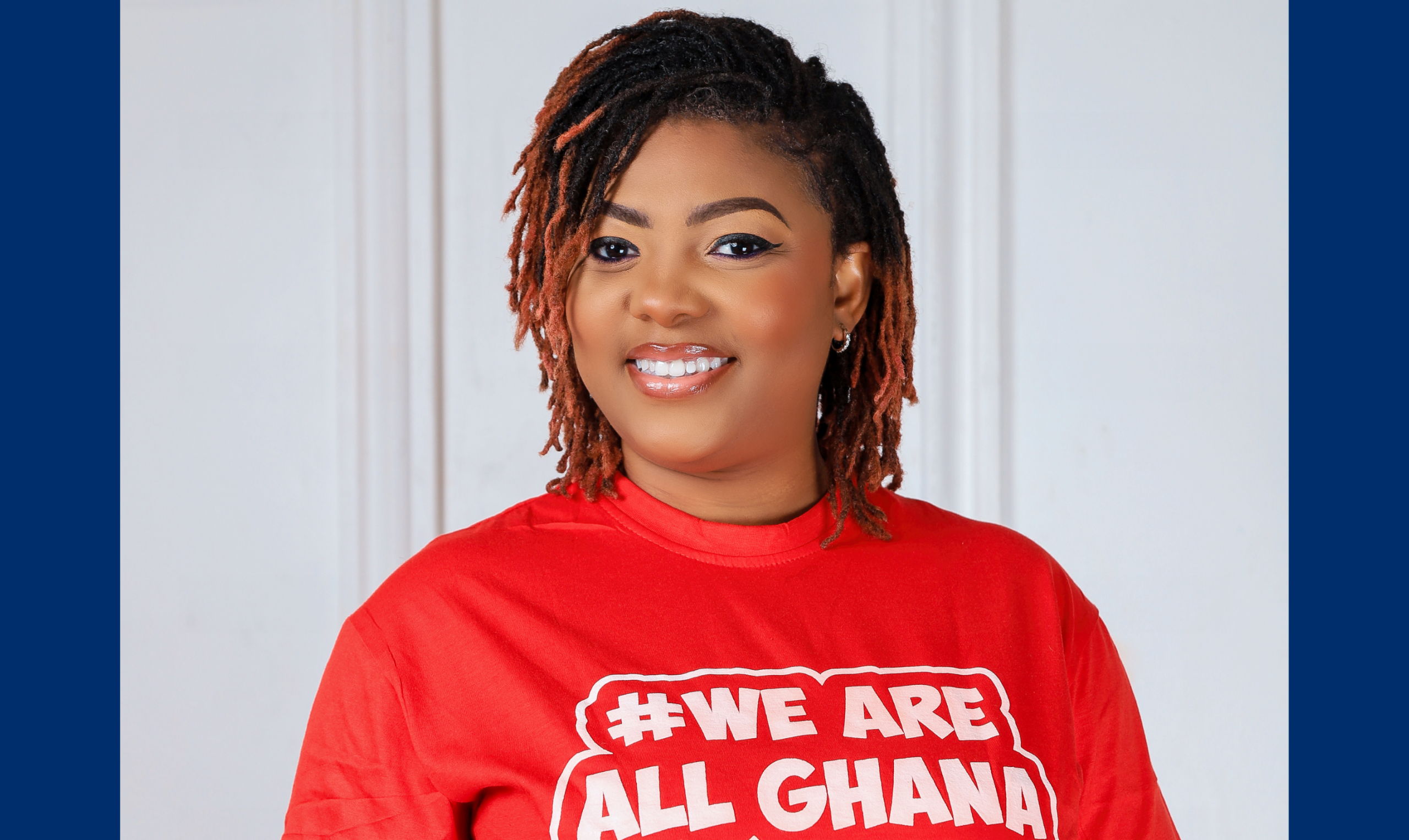
My name is Ugla Stefanía Kristjönudóttir Jónsdóttir and I’m a columnist, author, a feminist campaigner and trans advocate. I mostly advocate for equality and human rights through a feminist and LGBTQIA+ perspective, bringing my personal experiences to the forefront.
I have also advocated for legal change in Iceland for LGBTQIA+ people. I was one of the people who drafted the Gender Autonomy Act (2019). I also advocated for the Conversion Therapy Ban Bill that passed in Iceland in 2023.
How did the conversion practices ban pass in Iceland and how does it work?
Until a few years ago, many people simply assumed conversion therapy was no longer happening. But research across several countries shows us that it’s indeed still being carried out. People are often subjected to it by family members, faith based organisations, and even medical professionals.
The law was originally proposed back in 2021 by Hanna Katrín Friðriksson from the Liberal Reform Party. She is a lesbian herself and wanted to make sure the ban was comprehensive, covering the whole LGBT+ community. It got cross-party support in parliament, with no votes cast against it.
The ban is quite simple. It prohibits any practices that aim to change or discourage someone’s sexual orientation and/or gender identity. Penalties include a fine and a possible prison sentence of up to two years.
There is something so inhumane and horrifying about forcing people to be something they are not.
Ugla Stefanía Kristjönudóttir Jónsdóttir
Why do we need to end conversion practices in Scotland?
A ban on conversion practices is vital to ensure the safety and dignity of LGBT+ people in any country. Research suggests our community has greatly suffered as a result of these practices. Those that have spoken about being subjected to it carry scars with them to this day.
There is something so inhumane and horrifying about forcing people to be something they are not. The damage it can do to a person, to teach them such shame and disgust about who they are, cannot truly be explained. It’s taking a core part of who you are and saying: “this is so undesirable that you’re better off suppressing it.” In any case, research shows us that conversion practices never work.
Anyone claiming that people can undertake conversion practices willingly is taking advantage of the shame and fear that people feel. If we lived in a society that didn’t shame LGBT+ people, no one would feel the need to change their sexual orientation or gender identity. So, if Scotland truly wants to become a country that protects all of its citizens, banning conversion practices is a vital step on that journey.
Trans people have historically been subjected to some of the worst conversion practices, ranging from religious abuse to electro-shock therapy.
Ugla Stefanía Kristjönudóttir Jónsdóttir
Why should legislation include anti-trans conversion practices?
Trans people are at heightened risk of experiencing and being offered conversion practices. Especially now, with increased misinformation and hatred directed at our community, it’s more important than ever that we get the protection we need. Trans people have historically been subjected to some of the worst conversion practices, from religious abuse to electro-shock therapy. The stories of survivors are absolutely horrifying.
There is no logical reason why trans people should be excluded from such bans, other than prejudice and politically motivated discrimination. To exclude trans people is to say that the abuse we’ve suffered does not matter. Trans people are worthy of the same respect and dignity as other members of our community and society.
When we look at countries that have passed laws making gender recognition easier, it’s obvious that none of the ‘fears’ people express manifest in reality. Trans inclusion does not make anyone unsafe. It does not increase risk in single-sex spaces or other gendered spaces.
What can humanists and LGBT+ allies learn from gender recognition reform in Iceland?
When we look at countries that have passed laws making gender recognition easier, including Iceland, Ireland, Malta, Denmark, Norway, Portugal, and Spain, it’s obvious that none of the ‘”fears” people express manifest in reality. Trans inclusion does not make anyone unsafe. It does not increase risk in single-sex or gendered spaces. Misleading and unsubstantiated claims by anti-trans advocates have no place in a modern society.
We must also focus on the lived realities of trans people. After all, they have been openly living as themselves for decades already. That isn’t going to change. If we want to show trans people the dignity they deserve, we need to make it easier for them to change their ID to reflect who they are.
My advice to allies and campaigners is to not give up, continue telling those positive stories
Ugla Stefanía Kristjönudóttir Jónsdóttir
When we passed the law in Iceland we had cross-party support. We had backing from all major human rights and feminist organisations as well as healthcare and service providers. My advice to allies and campaigners is to not give up, continue telling those positive stories and get people to understand that those who oppose gender recognition are a vocal minority. They do not represent the vast majority and do not care for the well-being of anyone, least of all women.
None of us are free until we are all free. The fight for human rights will not be won through exclusion and persecution. It will be won through empathy, compassion, and the freedom for everyone to be who they are.